
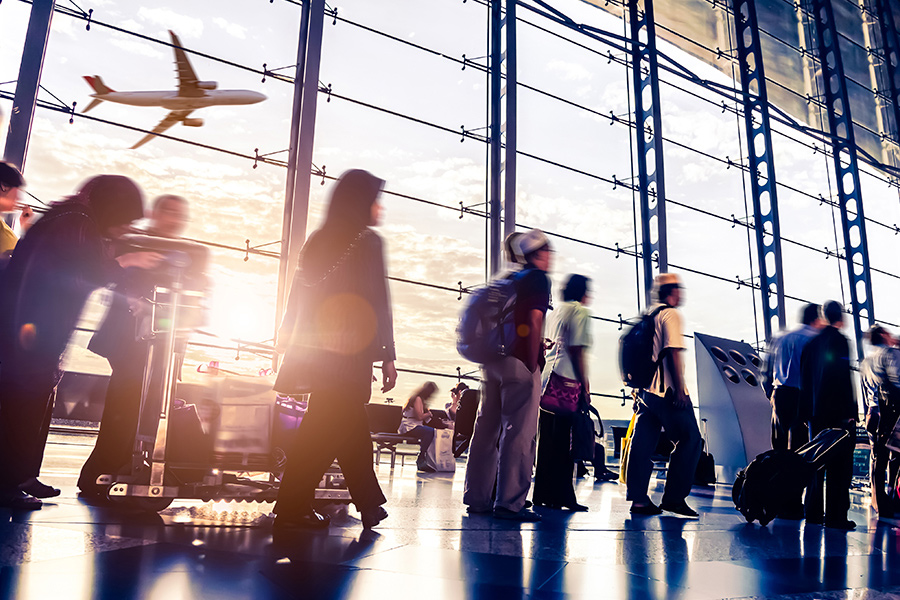
In 2026, traveling within or outside the United States as an immigrant involves increased screening, more questioning, and potential risks depending on your immigration status. These risks apply not only at airports, but also when traveling by car, bus, or train. Individuals living across the Dallas–Fort Worth area—including communities like Arlington, Irving, Plano, and Grand Prairie—should evaluate their situation before traveling to avoid legal complications.
What Is Happening at Airports in 2026?
Major travel hubs like Dallas-Fort Worth International Airport (DFW) and Love Field continue to be locations where additional screening may occur, especially for international travel.
Increased Document Review
Authorities may verify:
- Immigration status
- Travel documents
- Entry and exit history
Even on domestic flights, identity verification may lead to additional questions in certain situations.
Secondary Inspections
Some travelers may be selected for further screening, which can include:
- Detailed questioning
- Review of documents
- Additional verification steps
While many travelers pass without issue, others may experience delays or complications.
Traveling by Car: What to Know on Texas Roads
Driving within Texas is common, but it is not always risk-free depending on your circumstances.
When traveling by car:
- You may encounter immigration checkpoints on certain highways
- Officers may ask questions about your status or citizenship
- Situations can escalate if not handled carefully
This is especially relevant when traveling outside the immediate metro area or toward southern regions of the state.
Immigration Checkpoints: How They Work
Checkpoints are locations where authorities may stop vehicles briefly.
At these checkpoints:
- Identification may be requested
- Basic questions may be asked
- In some cases, further inspection may occur
Not every checkpoint leads to an issue, but understanding how they operate is important.
Traveling by Auto, Bus or Train in 2026
Long-distance public transportation can also involve interaction with authorities.
Bus Travel
On some routes:
- Authorities may conduct checks at terminals or during travel
- Passengers may be asked for identification
Train Travel
For train routes:
- Screening may occur at stations or during travel
- Longer routes between cities or states may involve more oversight
Many people travel without issues, but these situations do occur.
Who Faces Higher Risk When Traveling?
Certain individuals may face increased risk across all forms of travel:
- Individuals without legal status
- Those with pending immigration cases
- People with prior removal orders
- Individuals with criminal history
Each case is unique, but traveling without understanding your situation can lead to serious consequences.
What Can Happen During Travel?
Depending on the circumstances, outcomes may include:
- Additional questioning or delays
- Secondary inspection
- Temporary detention
- Initiation of immigration proceedings
- Detention in more serious cases
These scenarios can occur at airports, on highways, or during public transportation.
Recommendations Before Traveling
Before traveling by plane, car, bus, or train:
- Review your current immigration status with Erika Salter Law
- Ensure your documents are valid and up to date
- Consult with an immigration attorney if you have concerns
- Avoid travel if risks have not been evaluated
- Have a family or energency contact plan in case of an emergency
Preparation can help reduce the likelihood of complications.
Common Travel Mistakes
- Assuming domestic travel is always safe
- Traveling with expired or incomplete documents
- Failing to understand current immigration status
- Not seeking legal guidance when needed
These mistakes can create avoidable legal risks.
Should You Travel If Undocumented or are a Non-Citizen Including DACA, Asylum, Permanent Resident, Authorized Worker?
The decision to travel should be based on:
- Your immigration status
- Travel history
- Pending applications or cases
- Potential legal risks
Not everyone needs to avoid travel—but everyone should make an informed decision. Talk to the immigration experts at Erika Salter Law today before you book your next travel destination.
Immigration Help in Dallas and Fort Worth
At The Law Offices of Attorney Erika Salter, we help individuals and families across the Dallas–Fort Worth area evaluate travel risks and make informed decisions.
- Same-day legal consultations available
- Clear explanation of risks and options
- Flexible payment plans
- Over 20 years of experience
Dallas Office:
1140 Empire Central Pl., Suite 106-B, Dallas, TX 75247
Fort Worth Office:
605 E Berry St., Suite 101, Fort Worth, TX 76104
Phone: (214) 524-9217
Walk-ins welcome Monday through Friday
Saturday consultations available on select dates
Frequently Asked Questions
Is it safe to travel in and out of Texas without legal status?
It depends on your situation. While many individuals travel without issue, risks exist and should be evaluated.
Can immigration questions come up during domestic travel?
Yes, in certain situations additional questioning may occur in airports, bus terminals and train stations.
What should I do at a checkpoint?
Remain calm, answer basic questions respectfully, and avoid providing incorrect information.
Should I speak with an immigration attorney before traveling?
Yes, especially if you have concerns about your immigration status or pending cases.
Conclusion
Traveling in 2026 requires awareness and preparation. Whether by plane, car, bus, or train, understanding your situation before traveling can help you avoid serious legal consequences.
Call (214) 524-9217 or visit the Dallas or Fort Worth office of Attorney Erika Salter for a same-day legal consultation.